October 16, 2026
Buying a home comes with many responsibilities, and maintaining the plumbing system is one of the most important. Drains and pipes carry wastewater away from fixtures and deliver clean water throughout the property. Without routine care, minor issues like slow drains, leaks, and unusual odors can turn into expensive repairs.
Establishing a maintenance routine helps homeowners protect their investment and recognize problems early. By following a few practical habits and scheduling professional service from a plumber when needed, you can keep your plumbing system functioning properly and reduce the risk of unexpected emergencies.
Establish Good Habits for Everyday Drain and Pipe Care
Prevent Clogs by Being Mindful of What Goes Down Your Drains
One of the simplest ways to maintain your plumbing system is to monitor what enters your drains. Kitchen sinks collect grease, food particles, and soap residue, while bathroom drains accumulate hair and personal care products. Over time, these materials can restrict water flow and cause blockages. Installing drain strainers and removing collected debris regularly helps prevent buildup.
Avoid pouring cooking grease or oil down the kitchen sink because these substances can harden as they cool and trap other debris. Instead, let grease cool before disposing of it in the trash. Scrape leftover food into the garbage before washing dishes, and limit the amount of food waste entering your garbage disposal.
Bathroom drains require similar attention. Use hair catchers in showers and tubs, clean them frequently, and avoid flushing anything other than toilet paper and human waste. Even products labeled as flush-friendly can contribute to clogs in household plumbing and sewer lines. These simple habits reduce unnecessary strain on your system and minimize the likelihood of needing a plumber to remove preventable blockages.
Use Safe Cleaning Methods to Maintain Clear Pipes
Regular cleaning can keep drains flowing smoothly, but choosing appropriate methods is essential. Remove visible debris from drain openings, clean sink stoppers, and rinse fixtures as needed. Running warm water through kitchen drains after washing dishes can help move loose residue, although it will not eliminate substantial grease deposits or existing obstructions.
Be cautious with chemical drain cleaners, as some contain corrosive ingredients that can damage certain pipes and plumbing components. Mixing cleaning chemicals can also create hazardous conditions. If a drain repeatedly slows down, additional cleaner may not resolve the underlying issue. A plunger may help with minor clogs, but persistent blockages often require professional attention.
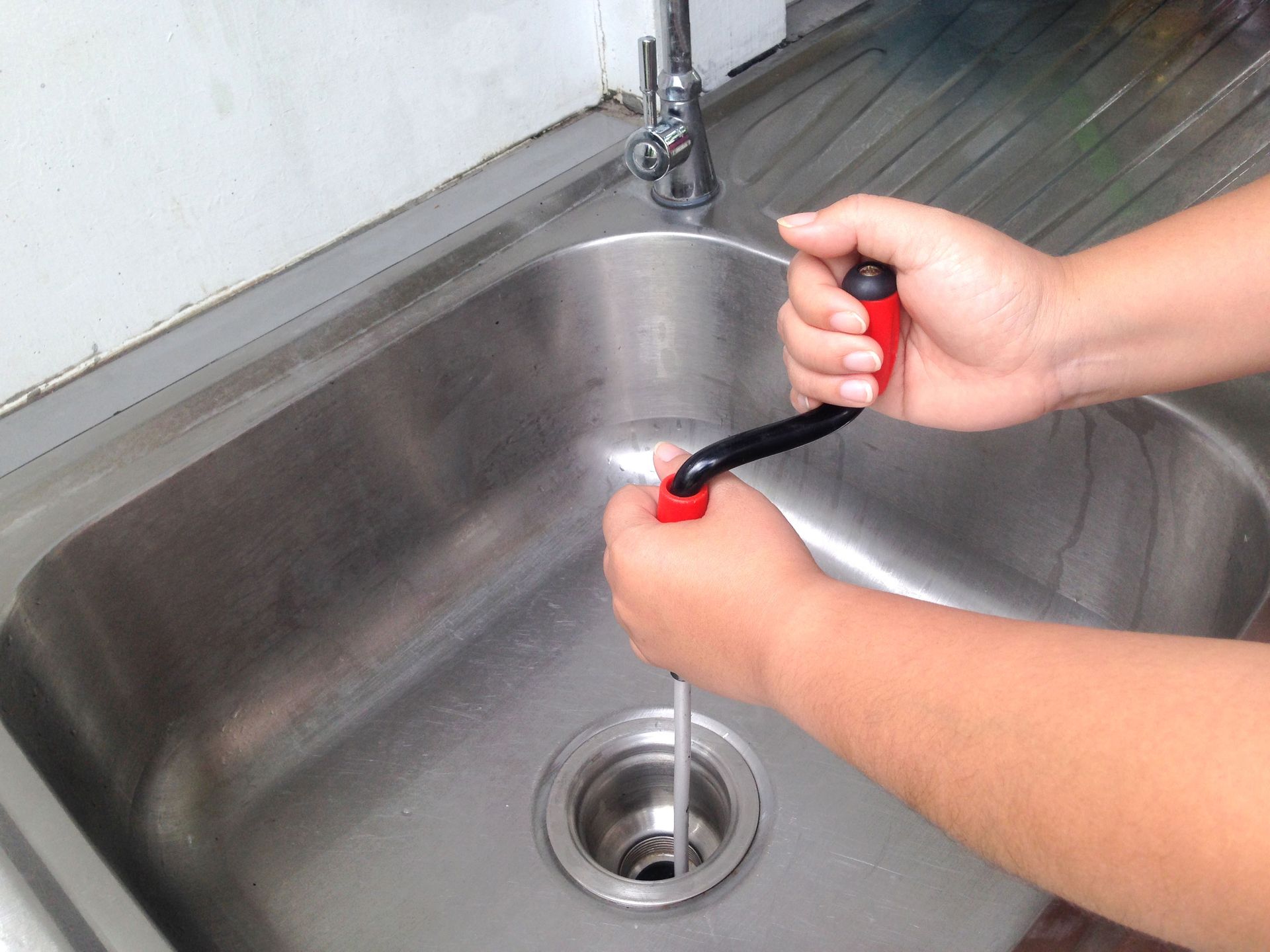
Avoid forcing tools into drains without understanding the pipe layout. Improper use of drain snakes can damage vulnerable piping or push obstructions farther into the system. If basic cleaning methods fail, a plumber can identify the cause and recommend an appropriate solution.
Recognize Warning Signs Before They Become Major Repairs
Monitor Water Pressure, Drainage, and Unusual Sounds
Changes in your plumbing system can reveal developing problems. Faucets should provide reasonably consistent water flow, and sinks, showers, and tubs should drain without prolonged pooling. Sudden pressure changes, frequent slow drains, or water backing up into another fixture may indicate buildup, damaged pipes, or an obstruction deeper in the drainage system.
Unusual sounds can also provide useful clues. Gurgling drains may indicate a blockage or restricted airflow, while running water when all fixtures are turned off can suggest a hidden leak. Knocking or banging pipes may result from pressure changes or loose supports. Recurring noises, particularly when accompanied by leaks or inconsistent water flow, warrant further investigation.
Locate your main water shutoff valve and learn how to operate it before an emergency occurs. If a pipe bursts or a major leak develops, shutting off the supply when safe can limit water damage. Contact a plumber to determine whether the problem requires a localized repair or a more extensive assessment. Acting quickly can help protect flooring, walls, and belongings.
Inspect for Leaks, Moisture, and Pipe Deterioration
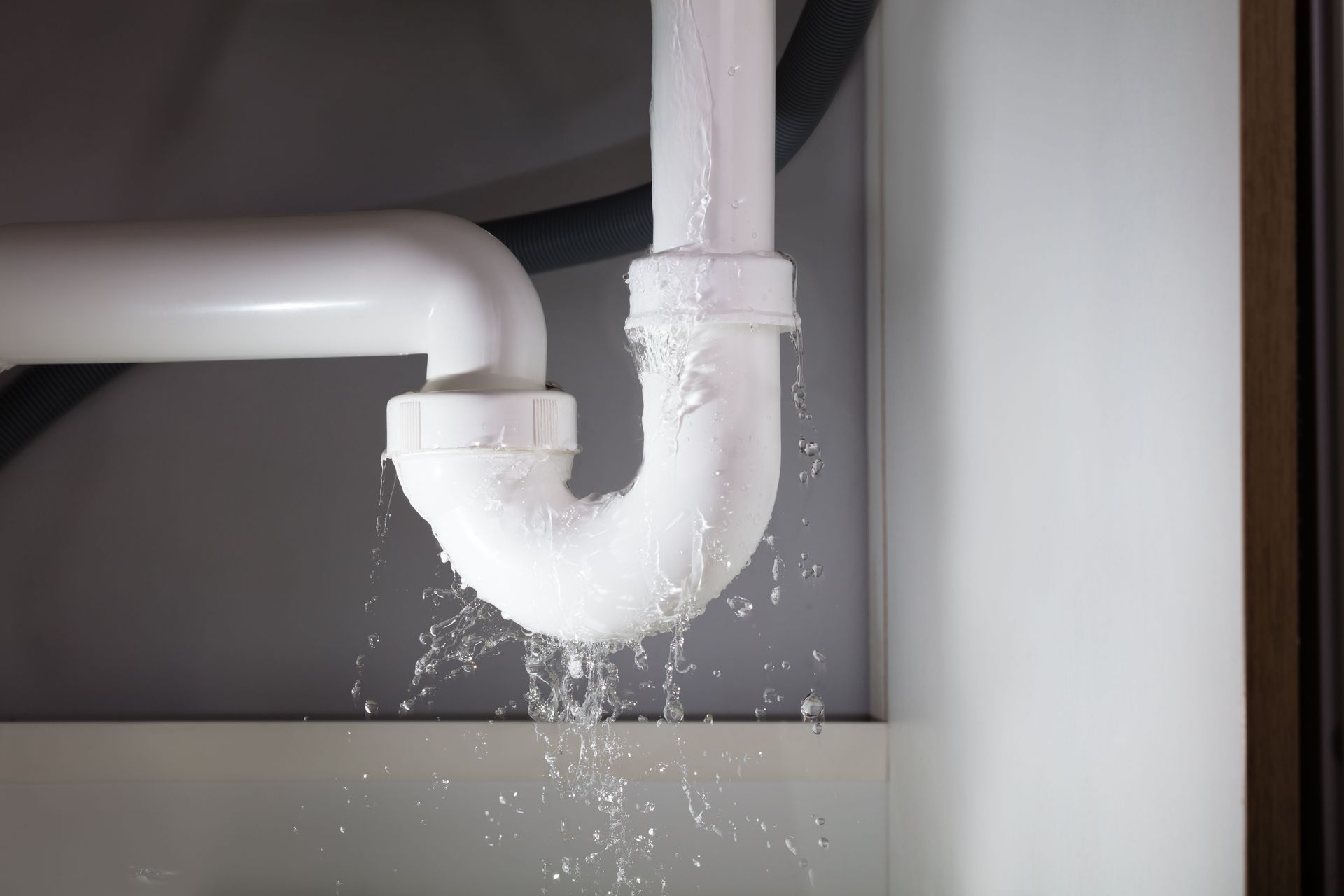
Small leaks can develop beneath sinks, behind appliances, around toilets, or inside walls. Check exposed pipes and connections for dripping water, corrosion, mineral deposits, and damp surfaces. Look inside cabinets beneath sinks, and watch for peeling paint, discoloration, warped materials, or musty odors that may indicate moisture damage.
Your water bill can provide another clue. If consumption increases without a change in household activity, investigate the cause. You can also check the water meter when all fixtures and water-using appliances are turned off. If it continues registering usage, a leak may be present, although additional testing may be needed to confirm the problem.
Pipe age and material also affect maintenance needs. Older plumbing may contain corroded or deteriorating sections that are more susceptible to leaks. Review available inspection reports when purchasing an older property, and ask about the condition of its pipes. A professional plumber can investigate suspected leaks and recommend repairs or repiping if deterioration affects multiple sections of the system.
Schedule Preventive Maintenance and Professional Inspections
Arrange Routine Drain Cleaning and Plumbing Assessments
Even when drains appear to function normally, professional maintenance can remove buildup that ordinary household cleaning may not address. According to Modernize, having drains professionally cleaned every one to two years can help prevent costly emergency plumbing repairs. The ideal schedule depends on your home's age, water usage, previous clogs, and the condition of its pipes.
During a maintenance visit, a professional can assess drainage performance, investigate recurring blockages, and identify conditions that could cause future problems. Depending on the symptoms, the inspection may include checking accessible pipe connections, evaluating fixtures, or examining portions of the drain and sewer lines. These assessments help distinguish ordinary buildup from more serious problems, such as damaged pipes or deeper obstructions.
If you are unfamiliar with your home's plumbing history, ask about the condition of its supply lines, drainpipes, and sewer connection. Keep records of inspections, repairs, and replacements so you can track recurring issues and plan future maintenance. An experienced plumber can help you prioritize repairs based on your system's condition and reduce the risk of unexpected failures.
Protect Pipes From Temperature Changes and Excessive Pressure
Freezing temperatures can put plumbing systems at risk. When water freezes inside a pipe, it expands and can crack or burst the pipe. Before winter arrives, inspect exposed pipes in unheated spaces such as basements, crawl spaces, and garages. Insulating vulnerable sections and sealing gaps that allow cold air inside can help reduce freezing risks.
Excessively high water pressure can also strain supply pipes, valves, fixture connections, and appliances. If you notice persistent banging sounds, unusually forceful water flow, or recurring leaks, have the system evaluated. A professional can measure water pressure and determine whether a pressure-reducing valve or another corrective measure is appropriate.
Prepare your plumbing system before leaving home for an extended period, particularly during freezing weather. Check for existing leaks, confirm fixtures are shut off properly, and protect vulnerable pipes against cold conditions. For older properties or homes with a history of plumbing problems, a professional assessment can identify specific risks and recommend preventive measures.
Maintaining drains and pipes requires consistent attention rather than extensive technical knowledge. Preventing clogs, monitoring warning signs, protecting vulnerable pipes, and arranging regular maintenance can help new homeowners avoid costly disruptions. When problems persist or exceed basic household maintenance, a qualified plumber can identify the cause and recommend repairs that keep your plumbing system operating reliably. Contact Southern Lakes Plumbing & Heating today to schedule a service appointment and keep your home's plumbing system in excellent condition!