October 15, 2026
Maintaining a residential heating system is essential for controlling winter energy costs, ensuring consistent indoor warmth, and extending equipment lifespan. When homeowners neglect scheduled inspections, minor mechanical issues quickly escalate into severe breakdowns that require immediate professional attention. Investing in routine preventative tune-ups keeps heating components operating smoothly, prevents unexpected system shutdowns during extreme cold snaps, and protects household budgets from sudden emergency service fees. Furthermore, addressing minor wear and tear early ensures optimal fuel efficiency, enhances indoor air quality, and lowers utility bills. Committing to regular upkeep remains the most effective strategy for preventing major equipment failure and minimizing total heater repair expenses over time.
Preventing Sudden System Breakdowns With Inspections
Routine heating inspections allow qualified technicians to identify worn belts, faulty igniters, and deteriorating electrical components before complete mechanical failure occurs during winter. Catching minor equipment flaws early prevents small operational issues from causing catastrophic damage to major heating assemblies. Unattended component failures often trigger chain-reaction damage across connected systems, resulting in expensive labor fees and complicated component replacements. Scheduled tune-ups ensure every part functions within safe operational parameters, preventing sudden cold-weather emergencies and keeping your home consistently warm. Routine professional checkups significantly lower the risk of unexpected midnight breakdowns, keeping total long-term heater repair expenses manageable for homeowners.
Enhancing Fuel Efficiency Through Cleaning Services
Accumulated dust, soot, and debris on burners and heat exchangers severely reduce fuel efficiency, forcing heating units to consume excessive energy. Clean heating systems burn fuel cleanly and efficiently, delivering maximum warmth while minimizing monthly utility costs. When dirty components hinder heat transfer, the system runs longer and harder to reach target thermostat temperatures. This continuous overworking accelerates component degradation, leading to premature mechanical failures and higher utility bills during peak winter months. Scheduling annual professional cleaning services restores peak heating performance, lowers fuel consumption, protects delicate internal components, and reduces the likelihood of needing urgent heater repair during severe winter freezes.
Replacing Air Filters to Maintain Airflow
Clogged air filters restrict vital airflow through heating systems, causing heat exchangers to overheat and triggering automatic safety shutoffs. Reduced circulation forces blowers to work exponentially harder, straining electrical motors and increasing annual energy consumption. Constantly running with dirty filters causes unnecessary thermal stress on critical heating elements, cracking heat exchangers and compromising household safety. Swapping out filters regularly maintains proper static pressure, improves overall indoor air quality, and ensures balanced airflow across every living space. Protecting system blowers from overheating extends motor lifespan, optimizes total heating distribution, and prevents costly airflow-related heater repair charges.
Inspecting Heat Exchangers for Safety Hazards
Cracked heat exchangers present dangerous safety risks by potentially leaking harmful carbon monoxide gas directly into residential spaces. Annual inspections include thorough visual checks and combustion testing to verify heat exchanger integrity before heating seasons begin. Catching minor cracks early allows timely component replacement, protecting family members from invisible chemical hazards and severe health risks. Neglecting heat exchanger checks often leads to complete system failure, requiring total unit replacement rather than simple maintenance fixes. Prioritizing routine safety checks ensures peace of mind, preserves heating equipment integrity, maintains stable household temperatures, and helps avoid emergency heater repair scenarios during winter.
Lubricating Moving Parts to Reduce Friction
Unlubricated bearings, motors, and fans experience severe mechanical friction, generating excessive heat and causing rapid component breakdown. Proper lubrication allows internal moving parts to operate smoothly, reducing energy consumption and minimizing operational noise throughout the house. Dry bearings increase resistance in heating motors, leading to electrical shorts, burned-out components, and complete system shutdowns. Routine tune-ups ensure all mechanical friction points receive proper lubrication, extending motor lifespan and maintaining quiet heating performance. Minimizing mechanical resistance keeps internal systems running seamlessly, prevents sudden motor seizures, protects electrical wiring, and eliminates avoidable heater repair calls throughout the coldest months.
Calibrating Thermostats for Accurate Temperature Control
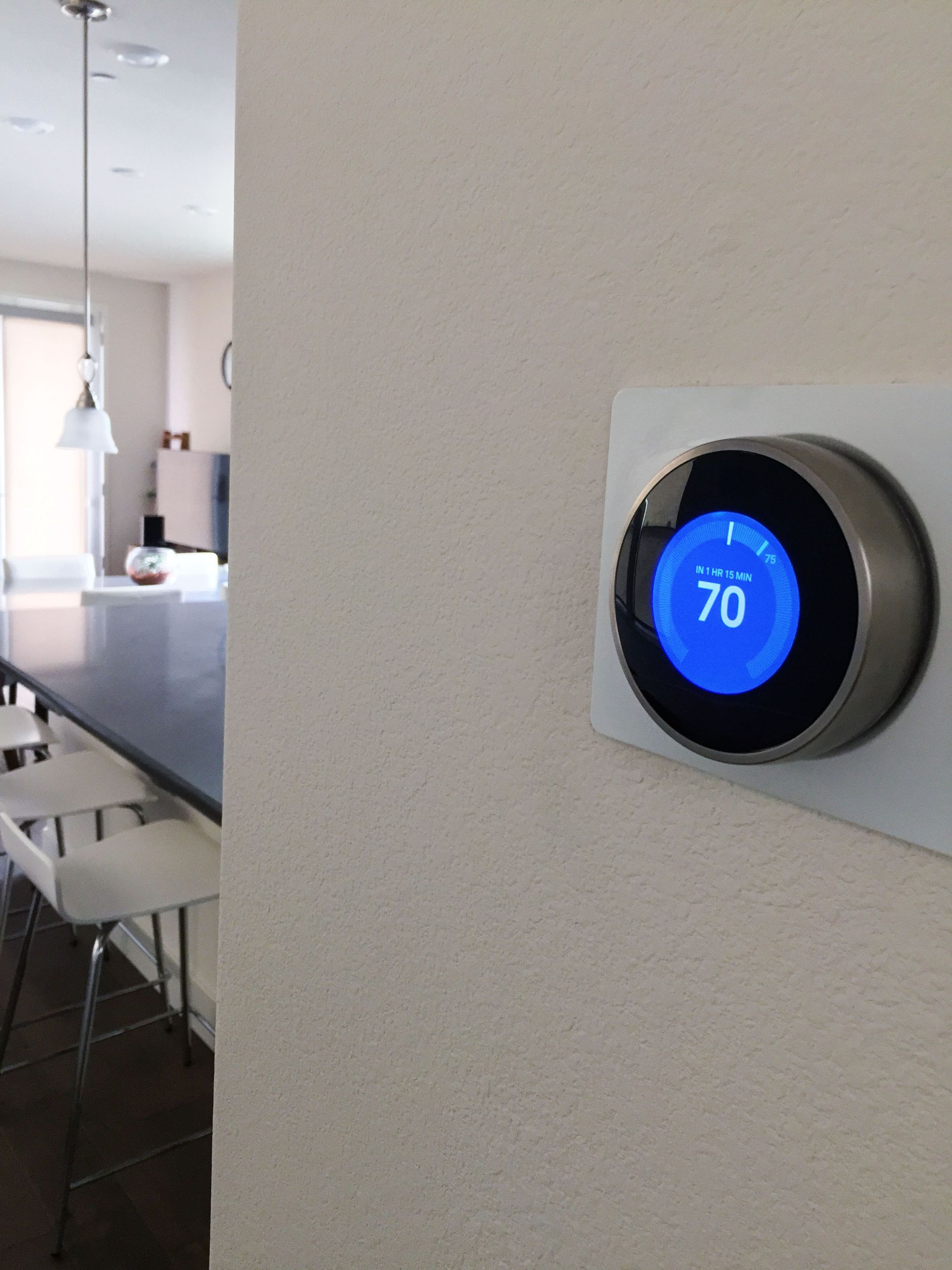
Inaccurate thermostat calibration causes heating systems to run longer than necessary or cycle on and off rapidly, wasting valuable energy. Calibrating thermostat sensors ensures your heating unit responds accurately to real temperature changes, maintaining steady comfort levels across every room. Uncalibrated controls force heating units to work inefficiently, increasing mechanical strain and elevating monthly utility costs unnecessarily. Upgrading to programmable or smart thermostats further optimizes heating schedules around daily household routines, minimizing unnecessary runtime. Ensuring precise temperature control protects heating components from excessive wear, lowers energy consumption, preserves indoor comfort, and minimizes unexpected heater repair costs.
Clearing Condensate Lines to Prevent Water Damage
High-efficiency furnaces produce liquid condensate during operation, which must drain freely through specialized drainage lines to prevent backups. Blocked condensate lines trigger internal safety switches that shut down heating units completely, leaving homes without warmth during cold spells. Overflowing drain lines can also cause extensive water damage to surrounding floors, walls, and internal electrical controls. Clearing drain lines during annual maintenance prevents algae buildup, ensures continuous fluid drainage, and keeps safety switches operating correctly. Maintaining clear drainage pathways protects sensitive furnace electronics, prevents costly water remediation, preserves overall system function, and stops emergency heating repair situations.
Verifying Electrical Connections for Operational Safety
Loose or corroded electrical connections create dangerous voltage fluctuations, causing heating systems to malfunction or fail entirely without warning. Inspecting electrical wiring during routine tune-ups ensures tight connections, preventing melted wires, blown fuses, and potential electrical fires. Loose wiring increases resistance, causing components to draw excessive electrical current and damaging delicate circuit boards. Professional technicians test electrical voltage, tighten terminal connections, and replace frayed wires to preserve operational safety. Securing electrical infrastructure keeps heating units running reliably, protects expensive electronic control modules, maintains smooth system performance, and avoids expensive, unexpected electrical heating repair services.
Testing Safety Switches and Automatic Shutoffs
Modern heating systems rely on limit switches, pressure sensors, and flame detectors to shut down equipment safely if hazardous conditions arise. Defective safety switches can allow furnaces to operate under unsafe conditions or prevent heating systems from turning on altogether. Testing these safety mechanisms annually ensures they respond instantly to overheating, pressure shifts, or gas leaks. Functional safety controls protect property, preserve equipment lifespan, and ensure compliance with local building codes. Routine testing verifies that all safety systems function correctly, offering vital protection against potential home hazards while preventing severe damage that requires complex heating repair.
Balancing System Pressure and Water Flows
Hydronic heating systems rely on precise water pressure and flow rates to distribute warmth evenly through radiators or radiant floor pipes. Low pressure prevents hot water from circulating effectively, leaving certain rooms cold while forcing boilers to run continuously. Bleeding trapped air from radiators and checking expansion tanks restores optimal hydraulic pressure throughout the entire network. According to Houzz, 62% of people prefer using local plumbers rather than national chains for emergency plumbing issues. Maintaining balanced hydronic pressure prevents boiler overheating, eliminates noisy pipe vibrations, protects circulating pumps from damage, and ensures efficient, comfortable heating across every floor.
Establishing a consistent schedule for heating system maintenance preserves equipment efficiency, extends overall lifespan, and ensures reliable performance during harsh winter weather. Proactive upkeep eliminates small operational flaws before they turn into disruptive mechanical failures that require expensive professional intervention. Homeowners who prioritize annual tune-ups enjoy lower monthly energy bills, superior indoor comfort, and increased safety for their families. Taking small preventive measures protects your financial investment in home infrastructure while keeping heating systems functioning smoothly season after season. Dedicating time to routine care delivers peace of mind, optimizes system reliability, and remains the single best strategy for avoiding unexpected heating repair bills.
Are you seeking professional heater repair services in Walworth County, WI, and the surrounding areas? Southern Lakes Plumbing & Heating has you covered! Contact us today to schedule your next service appointment.