November 17, 2026
As winter approaches, ensuring your furnace is in optimal working condition is crucial for maintaining a warm and comfortable home. This article outlines the essential maintenance steps you should take to prepare your furnace for the colder months. By following these guidelines, you can enhance the efficiency, safety, and longevity of your heating system. Additionally, regular maintenance not only prevents unexpected breakdowns but also contributes to energy savings. Consistently caring for your furnace can result in lower energy bills and a more reliable heating system over time.
Inspecting and Replacing Furnace Filters
Furnace filters play a vital role in maintaining the air quality in your home. They trap dust, pollutants, and other particles that can circulate through the air, ensuring that the air you breathe is clean and safe. A clogged or dirty filter not only reduces air quality but also forces your heating system to work harder than necessary, leading to increased energy consumption and potential damage. According to This Old House, you can extend the lifespan of your forced-air furnace to 15–30 years through consistent cleaning and proper maintenance. Therefore, it is crucial to regularly inspect and replace the filters to enhance efficiency and longevity.
The frequency of replacing furnace filters depends on several factors, including the type of filter used, the size of your home, and whether you have pets or allergy sufferers in the home. Typically, it is recommended to check your filters every month and replace them every 3 months. However, if you have pets or run your system frequently, monthly replacements may be necessary. Always refer to the manufacturer's guidelines for optimal filter replacement frequency. Regular filter maintenance can significantly improve your furnace's performance and efficiency.
Choosing the right type of filter is essential to achieving the best performance from your heating system. Filters vary in material, efficiency, and cost, each serving different needs. HEPA filters, for example, provide the highest level of filtration and are ideal for homes with allergy sufferers, but they may need more frequent replacement. Fiberglass filters are less expensive and suitable for homes with no specific air quality concerns but should be replaced more often for optimal performance. By selecting the appropriate filter for your needs, you can improve air quality and protect your furnace from unnecessary wear.
Cleaning and Assessing Furnace Components
Regular cleaning and assessment of your furnace components are critical to its efficient operation. Dust and debris can accumulate in the furnace components over time, affecting performance and potentially causing malfunctions. The key components to clean include the blower, motor, heat exchanger, and burners. Cleaning these components ensures optimal airflow and combustion efficiency, reducing the risk of furnace failures. A cleaner furnace operates more efficiently, saves energy, and results in lower heating bills during the winter months.
To carry out a thorough cleaning of your furnace, a few basic tools are required. These typically include a vacuum with a hose attachment, a soft-bristle brush, a screwdriver, and a clean cloth. A flashlight is also useful for checking inside dark areas of the furnace. It is important to first shut off the power to the furnace for safety before beginning any cleaning tasks. Having the right tools will make the cleaning process more efficient and ensure that you don't cause any damage to the furnace components.
While it's possible for homeowners to clean certain components of their furnace, there are instances when calling in a professional is advisable. Professionals have the expertise to identify and address potential issues that may not be apparent to the untrained eye. They can also ensure that all safety protocols are followed during the cleaning and assessment process. If you notice a persistent issue or suspect a problem during your cleaning efforts, it's best to consult a professional. Regular professional maintenance can prevent costly repairs and extend the life of your furnace.
Checking and Calibrating the Thermostat
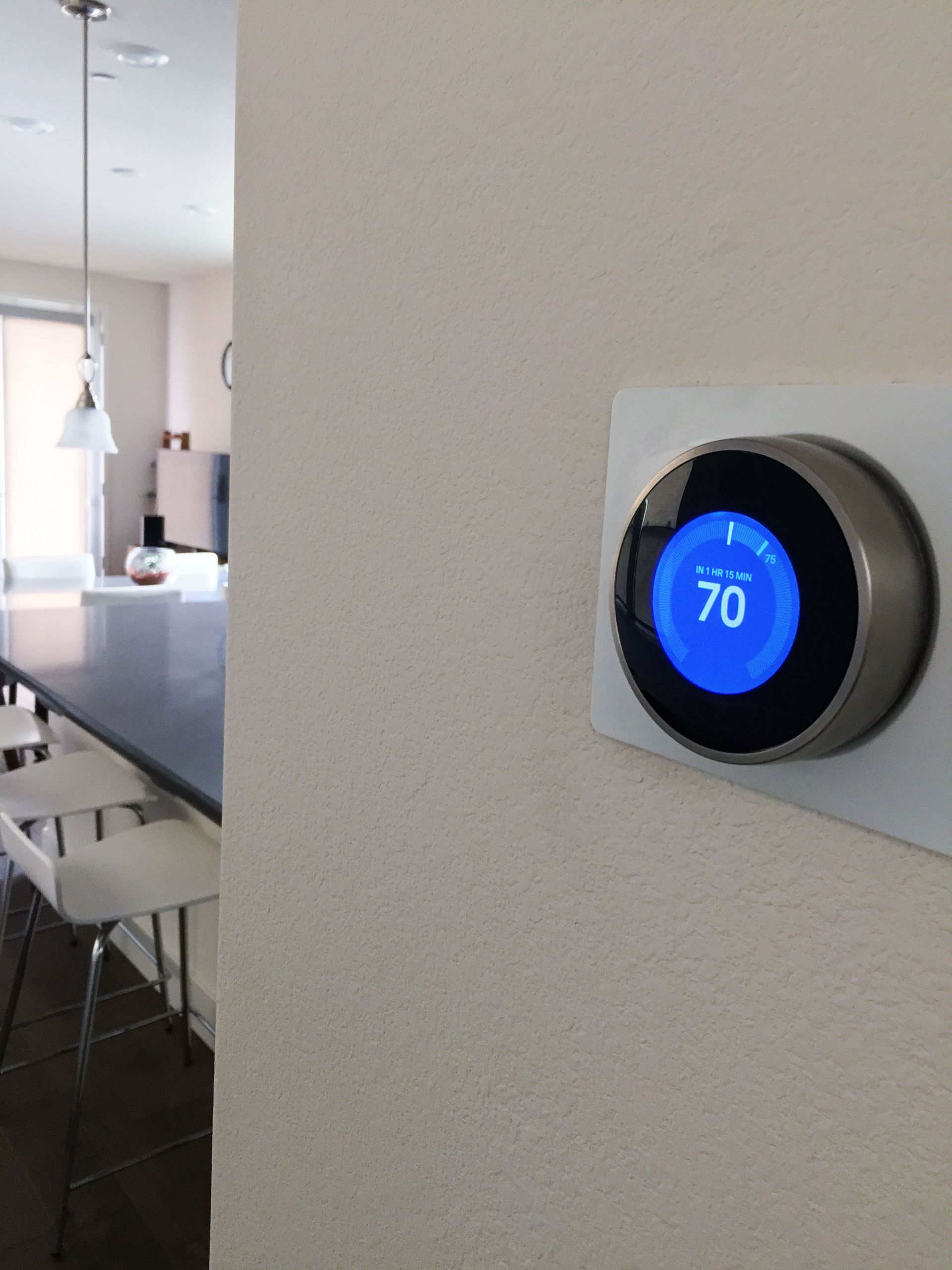
The thermostat is the control center of your heating system, responsible for maintaining the desired temperature within your home. Ensuring your thermostat is functioning correctly is critical for optimal furnace performance. Begin by checking the thermostat settings and ensuring it is set to the heating mode. An incorrect setting could be the reason for inefficient heating or skyrocketing energy bills. If the thermostat is outdated, consider upgrading to a digital or smart thermostat for improved accuracy and convenience.
Calibrating your thermostat is an essential step in ensuring efficient furnace performance. Calibration ensures that the thermostat accurately reflects your home's temperature, preventing the furnace from running unnecessarily. You can calibrate your thermostat by comparing its setting to an independent thermometer placed nearby and adjusting it as needed. It's advisable to perform this check annually or anytime you notice inconsistent temperatures in your home. Proper calibration not only enhances comfort but also extends the life of your furnace by preventing unnecessary cycling.
Smart thermostats offer numerous benefits for modern homes, providing easy control over heating schedules and optimizing energy usage. They can learn your home's heating patterns and automatically adjust settings for efficiency. Smart thermostats also allow you to control your thermostat remotely via smartphone, ensuring your home is warm when you arrive and saving energy while you're away. Investing in a smart thermostat can lead to significant energy savings and enhance your home's comfort levels. Additionally, integrating a smart thermostat may improve the compatibility and performance of your existing furnace.
Ensuring Proper Ventilation and System Safety
Proper ventilation is essential for the safe and efficient operation of your furnace. Blocked vents can prevent the distribution of warm air throughout your home and cause the system to overheat, leading to potential safety hazards. Regularly inspect your home’s vents and ductwork for signs of blockages, such as dust buildup or obstructions, and clean them as needed. Ensuring clear and unobstructed vents enhances the airflow and efficiency of your furnace. Periodic checks are essential to maintaining both heating efficiency and occupant safety.
Inspecting for blockages and leaks is crucial for identifying potential threats to your furnace system. Leaks in the ductwork can lead to air wastage, resulting in higher energy bills and reduced system efficiency. Regularly checking the ductwork for signs of wear and sealing leaks as needed can prevent unnecessary heat loss. Additionally, carbon monoxide leaks represent a serious health risk that requires immediate attention. Installing carbon monoxide detectors throughout your home is an essential safety measure, ensuring that any leaks are detected early.
System safety extends to ensuring that all safety devices associated with the furnace are operational. This includes regularly testing smoke alarms and carbon monoxide detectors. Replace their batteries as needed and keep spare batteries easily accessible. Fire safety precautions, such as maintaining a clear zone around your furnace and storing flammable materials safely, are also vital. Comprehensive attention to safety devices not only protects your home but also prevents unexpected malfunctions during the heating season.
By taking these essential maintenance steps, you can ensure your furnace operates efficiently and safely throughout the winter. Regular maintenance not only prevents unexpected breakdowns but also contributes to energy savings and extends the lifespan of your heating system. As the cold season nears, make furnace maintenance a top priority. Investing in regular upkeep helps create a reliable and cost-effective heating environment during the colder months. A well-maintained furnace provides warmth and comfort, allowing you to enjoy the winter without heating concerns. Be sure to reach out to Southern Lakes Plumbing & Heating today to learn more about our professional furnace repair service!